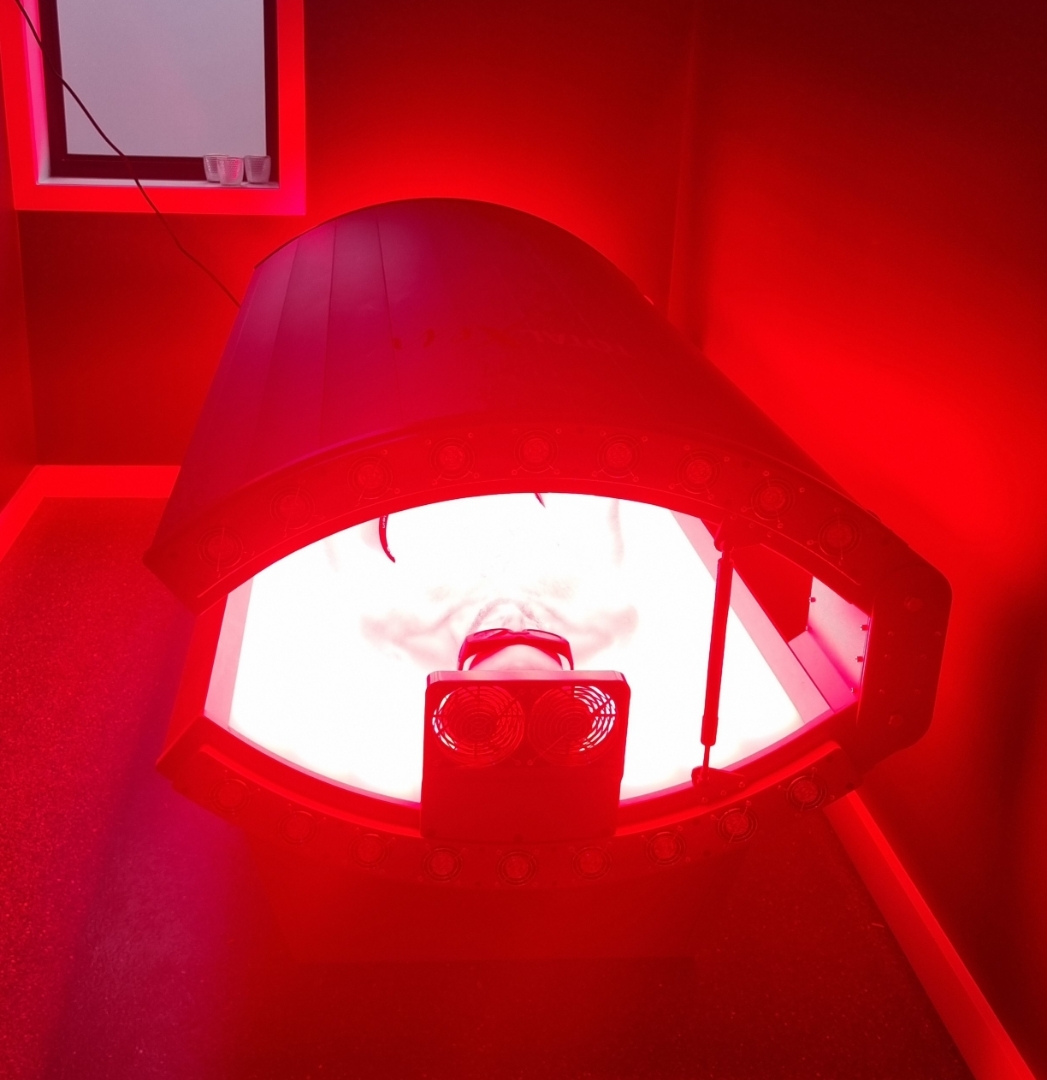
Recovering from an injury can be a slow and frustrating process, whether the damage comes from sports, an accident, or everyday physical strain. Pain, inflammation, stiffness, and limited mobility often linger long after the initial injury, making daily activities challenging. In recent years, red light therapy has gained attention as a supportive tool for post injury recovery. This non invasive treatment uses specific wavelengths of red and near infrared light to stimulate healing at the cellular level. As research and real world use continue to expand, Red Light Therapy For Recovery is increasingly recognized as a valuable addition to traditional recovery methods such as physical therapy, rest, and rehabilitation exercises.
Contents
Understanding How Red Light Therapy Works
Red light therapy works by delivering low level red and near infrared light directly to the skin and underlying tissues. These wavelengths penetrate deeply into muscles, joints, and connective tissues where they interact with the mitochondria inside cells. Mitochondria are responsible for producing energy in the form of ATP, which fuels cellular repair and regeneration. When injured tissue receives red light exposure, cellular energy production increases, allowing damaged cells to repair themselves more efficiently. This process supports tissue regeneration without causing heat damage or discomfort, making red light therapy suitable for repeated use during recovery.
Reducing Inflammation and Swelling After Injury
Inflammation is a natural response to injury, but excessive or prolonged inflammation can slow healing and increase pain. Red light therapy plays an important role in regulating the inflammatory process. By improving circulation and supporting cellular balance, red light therapy helps reduce swelling in injured areas. Increased blood flow delivers oxygen and nutrients while also removing waste products that contribute to inflammation. Over time, consistent red light therapy sessions can help calm irritated tissues, allowing the body to progress from the inflammatory phase into the repair phase more effectively. This reduction in inflammation often leads to improved comfort and faster functional recovery.
Pain Management Without Medication
Pain is one of the most challenging aspects of post injury recovery. Many individuals rely heavily on pain medications, which may cause side effects or dependency when used long term. Red light therapy offers a drug free alternative for managing pain. The therapy helps reduce nerve sensitivity and muscle tension by improving circulation and decreasing inflammation. Additionally, enhanced cellular repair reduces the underlying causes of pain rather than simply masking symptoms. Many users report noticeable pain relief after consistent treatments, allowing them to move more freely and participate more fully in rehabilitation programs without relying solely on medication.
Accelerating Muscle and Tissue Repair
Muscle strains, ligament injuries, and tendon damage require time and proper conditions to heal. Red light therapy supports faster tissue repair by stimulating collagen production and increasing protein synthesis within cells. Collagen is essential for rebuilding connective tissue strength and flexibility. With improved cellular energy and blood flow, muscles and soft tissues are better equipped to recover from micro tears and structural damage. Athletes and active individuals often incorporate red light therapy into recovery routines to shorten downtime and restore strength more efficiently. Even for non athletes, improved tissue repair can mean returning to normal activities sooner and with less discomfort.

Supporting Joint Health and Mobility
Joint injuries often involve complex structures such as cartilage, ligaments, and synovial fluid, all of which require careful healing. Red light therapy can support joint recovery by improving circulation around the joint and encouraging cellular regeneration in cartilage and connective tissues. Reduced stiffness and inflammation allow joints to move more smoothly, which is essential during rehabilitation exercises. Improved mobility helps prevent compensatory movement patterns that can lead to secondary injuries. Over time, regular red light therapy sessions may contribute to improved joint flexibility and long term joint health following injury.
Enhancing Recovery During Physical Rehabilitation
Physical therapy is a cornerstone of post injury recovery, but progress can be limited by pain, stiffness, and fatigue. Red light therapy complements rehabilitation efforts by preparing tissues for movement and exercise. When used before physical therapy sessions, red light therapy can help warm tissues and improve circulation, making stretching and strengthening exercises more effective. When used afterward, it supports recovery by reducing soreness and promoting tissue repair. This combination allows patients to perform rehabilitation exercises more consistently and with better results, ultimately improving recovery outcomes.
Improving Circulation and Oxygen Delivery
Healthy circulation is essential for healing injured tissue. Red light therapy enhances blood flow by stimulating the formation of new capillaries and improving vascular function. Better circulation ensures that injured areas receive sufficient oxygen and nutrients while metabolic waste is removed efficiently. Improved oxygen delivery supports aerobic cellular processes that are essential for tissue regeneration. This increased circulation also helps reduce bruising and discoloration often associated with injury, contributing to a more complete and visually noticeable recovery.
Safe and Non Invasive Recovery Support
One of the most appealing aspects of red light therapy is its safety profile. Unlike invasive procedures or aggressive treatments, red light therapy does not damage tissue or cause pain. It can be safely used alongside other recovery methods without interference. Most individuals experience no side effects when used correctly, making it suitable for a wide range of injuries and age groups. This non invasive nature allows for frequent sessions, which is important for maximizing therapeutic benefits during recovery.
Long Term Benefits Beyond Initial Healing
The benefits of red light therapy extend beyond immediate injury recovery. By supporting cellular health and circulation, ongoing use may help prevent future injuries and support overall musculoskeletal wellness. Improved tissue resilience, reduced chronic inflammation, and enhanced recovery capacity contribute to long term physical health. Individuals who incorporate red light therapy into their wellness routine often report improved energy levels, better mobility, and faster recovery from physical stress even after the initial injury has healed.
Conclusion: A Powerful Tool for Post Injury Recovery
Red light therapy has emerged as a valuable tool in post injury recovery due to its ability to support healing at the cellular level. By reducing inflammation, managing pain, accelerating tissue repair, and improving circulation, it addresses many of the challenges associated with injury recovery. When combined with proper medical care, physical therapy, and healthy lifestyle habits, red light therapy can significantly enhance the healing process. As more people seek effective, non invasive solutions for recovery, red light therapy continues to prove its role as a reliable and science backed approach to restoring strength, mobility, and overall well being after injury.