

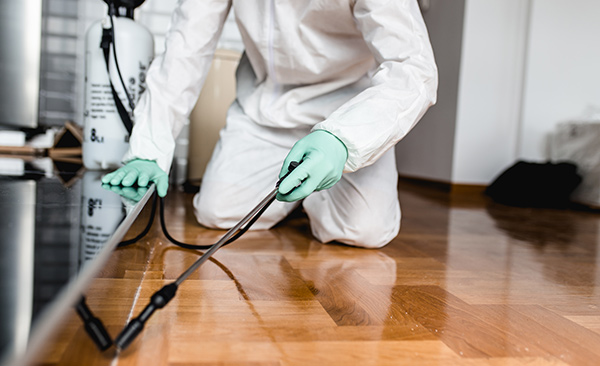
Pest control is a critical aspect of maintaining a healthy and safe environment, whether in our homes, offices, or agricultural lands. With a diverse range of pests, from insects and rodents to larger wildlife, the impact of infestations can be significant. Beyond just nuisance, pests can spread diseases, contaminate food, and cause structural damage, making effective pest management essential for public health and safety.
In this article, we will explore various pest control methods, from traditional approaches to modern, eco-friendly solutions. We’ll examine the importance of prevention and early intervention, as well as offer practical tips for homeowners and businesses alike. Understanding the dynamics of pest behavior and the appropriate responses will empower readers to take proactive measures against common pests, ensuring a healthier environment for all.
Effective Pest Control Methods
Traditional pest control methods, such as traps and baits, have long been relied upon to manage pest populations. However, advancements in technology have introduced innovative approaches like the use of integrated pest management (IPM) techniques, which focus on long-term prevention and sustainable practices. These methods emphasize understanding pest behavior and employing biological control agents to reduce reliance on chemical pesticides. For effective pest control, it’s crucial to monitor and identify the specific pests present in your environment, as this information will help determine the most suitable control measures. In areas like Newcastle, seeking professional help through residential pest control Newcastle can enhance your efforts in managing pest issues while ensuring safety and efficiency.

Preventive Strategies for Homeowners
Prevention is the cornerstone of effective pest management. Homeowners can take several proactive steps to minimize the risk of infestations, such as sealing entry points, maintaining proper sanitation, and regularly inspecting their properties for signs of pests. Landscaping choices can also play a role; keeping gardens well-maintained and vegetation away from structures reduces pest habitats. Furthermore, educating all household members about pest behavior and prevention strategies can foster a collaborative environment where everyone contributes to maintaining a pest-free home. Implementing these measures not only protects your living space but also promotes overall health and well-being.
In conclusion, effective pest control is a multifaceted approach that blends prevention, monitoring, and appropriate intervention strategies, whether at home or in business environments. By employing a combination of traditional and modern methods, such as integrated pest management, homeowners and property managers can significantly reduce the risk of infestations while minimizing environmental impact. The key lies in understanding pest behavior and maintaining vigilance in monitoring potential threats, along with fostering a culture of cleanliness and awareness within households. As we work towards creating healthier, pest-free spaces, adopting proactive measures and being informed about pest control practices will ensure a safer and more comfortable living and working environment for everyone.


