

Pest control is an essential practice that ensures the safety and well-being of our homes, gardens, and workplaces. As urbanization and environmental changes continue to create ideal habitats for various pests, understanding effective pest management strategies has never been more crucial. From common household intruders like ants and cockroaches to garden nuisances such as aphids and nematodes, the presence of pests can lead to significant damage, health risks, and financial burdens. This article explores the various methods of pest control, emphasizing the importance of prevention, early detection, and environmentally friendly solutions.
In recent years, there has been a growing trend towards sustainable pest management practices that minimize harmful impacts on the ecosystem. Integrated Pest Management (IPM) approaches combine biological, cultural, and mechanical strategies with chemical methods when necessary, creating a balanced and comprehensive solution to pest problems. By adopting these practices, homeowners and businesses can maintain a healthy environment while effectively managing pest populations. In this article, we will delve into the principles of IPM, explore common pest control methods, and provide practical tips for maintaining pest-free spaces without compromising the health of our planet.
Understanding Integrated Pest Management (IPM)
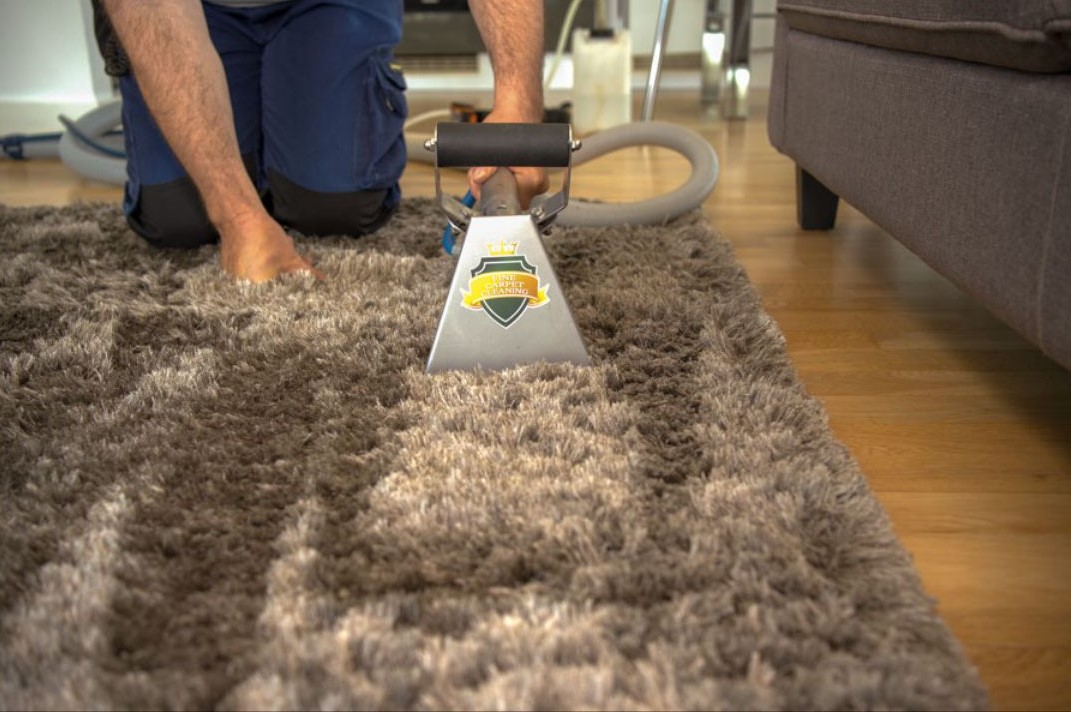
Integrated Pest Management (IPM) emphasizes a holistic approach to pest control by considering the life cycles of pests and their natural enemies. It combines various tactics to reduce reliance on chemical pesticides, integrating biological methods like beneficial insects, cultural practices like crop rotation, and mechanical solutions such as traps. For instance, regular cleaning schedules, combined with practices such as carpet dry cleaning Newcastle, can significantly reduce pest populations and limit their access to food and shelter. IPM not only addresses immediate pest issues but also promotes long-term sustainability by preserving beneficial species and enhancing ecosystem health.

Practical Tips for Pest Prevention
Effective pest prevention begins with simple, everyday practices that can deter infestations. Keeping homes and gardens well-maintained, sealing entry points, and maintaining a clean environment are key strategies. Additionally, utilizing natural deterrents such as neem oil, introducing predatory insects, and employing companion planting can provide natural pest control benefits. By combining these methods with regular monitoring and adaptive strategies, homeowners can create a proactive pest management plan that minimizes the risk of infestations while contributing positively to their surrounding environment.
In conclusion, effective pest control extends beyond mere eradication; it embodies a commitment to safety, environmental stewardship, and sustainability. By embracing Integrated Pest Management and adopting preventative measures, individuals can create harmonious living spaces that deter pests while nurturing the ecosystem. Educating ourselves about the behaviors and habitats of pests, coupled with proactive strategies, empowers us to respond to infestations thoughtfully and sustainably. Ultimately, fostering an awareness of our surroundings and promoting biodiversity not only safeguards our homes and gardens but also cultivates a deeper respect for the delicate balance within our environment. A pest-free space is not just a result of immediate actions; it is the product of an ongoing commitment to responsible management and ecological health.
